

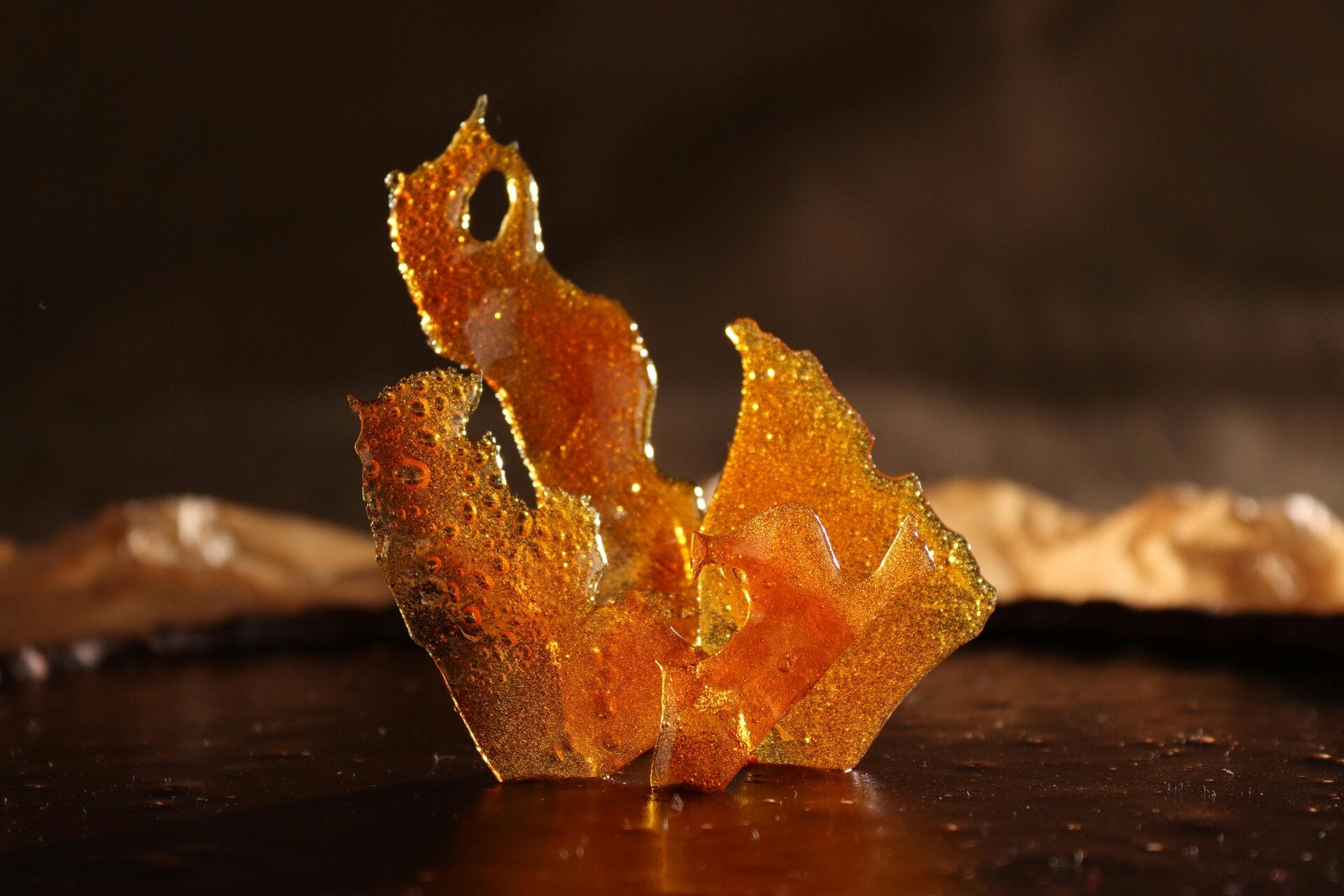
"Dab oil" is a broad term used to describe the wide variety of cannabis concentrates available in today’s market. From products engineered for maximum potency to those designed strictly for medicinal relief, understanding the differences is key. Here is a quick guide to three of the most common types of dab oils, how they are produced, and how they impact the user.
1. Rick Simpson Oil (RSO)
RSO is a form of hash oil famously popularized in 2003. It is traditionally made by soaking cannabis flower in a high-proof solvent like food-grade alcohol.
-
The Process: After soaking, the plant material is strained, and the remaining alcohol is evaporated, leaving behind a thick, potent oil.
-
The Experience: Because the potency is significantly higher than that of raw cannabis flower, it is often favored by those looking to maximize the potential of lower-quality material.
-
Storage: Keep your hash oil in a silicone container in a cool, dark place.
2. Butane Hash Oil (BHO)
Often referred to as "honey oil," BHO is created by using butane as a solvent to strip cannabinoids from the plant material.
-
Safety Warning: Making BHO is extremely dangerous. It must be performed in a highly ventilated, professional laboratory environment free from sparks or flames, as butane is highly flammable and toxic.
-
The Experience: BHO is typically amber-colored and very sticky. Due to its consistency, it is highly recommended to use stainless steel, glass, or silicone tools to handle the oil, as it will stick to anything else, leading to significant product waste.
-
Storage: Store in a silicone container in a cool, dark place.
3. CO2 Oil
CO2 oil is produced via Supercritical Fluid Extraction (SFE). This method uses pressurized carbon dioxide to extract cannabinoids at low temperatures.
-
The Benefit: Because the process occurs at low temperatures, it does not denature delicate terpenes and cannabinoids. This results in a cleaner, more flavorful product that is widely considered one of the highest-quality concentrates on the market.
-
The Experience: CO2 oil is usually more liquid and is often packaged in syringes, making it an ideal choice for vape pens. Because the extraction process is highly precise, manufacturers can isolate specific components—allowing them to increase or remove THC, making it an excellent option for patients seeking medicinal relief without a strong psychoactive effect.
-
Storage: Keep in a syringe or silicone container in a cool, dark place.
Ready to put your activated cannabis to work?
You’ve unlocked the full potential of your material, now it’s time to apply it to the kitchen. Our Stoner Strategies Cannabis Cookbook Series by Ava Tyler is the ultimate resource for turning your perfectly activated material into professional-grade cannabis edibles. From dosing guides to gourmet techniques, learn how to elevate your home, cooking experience today.

Add comment
Comments